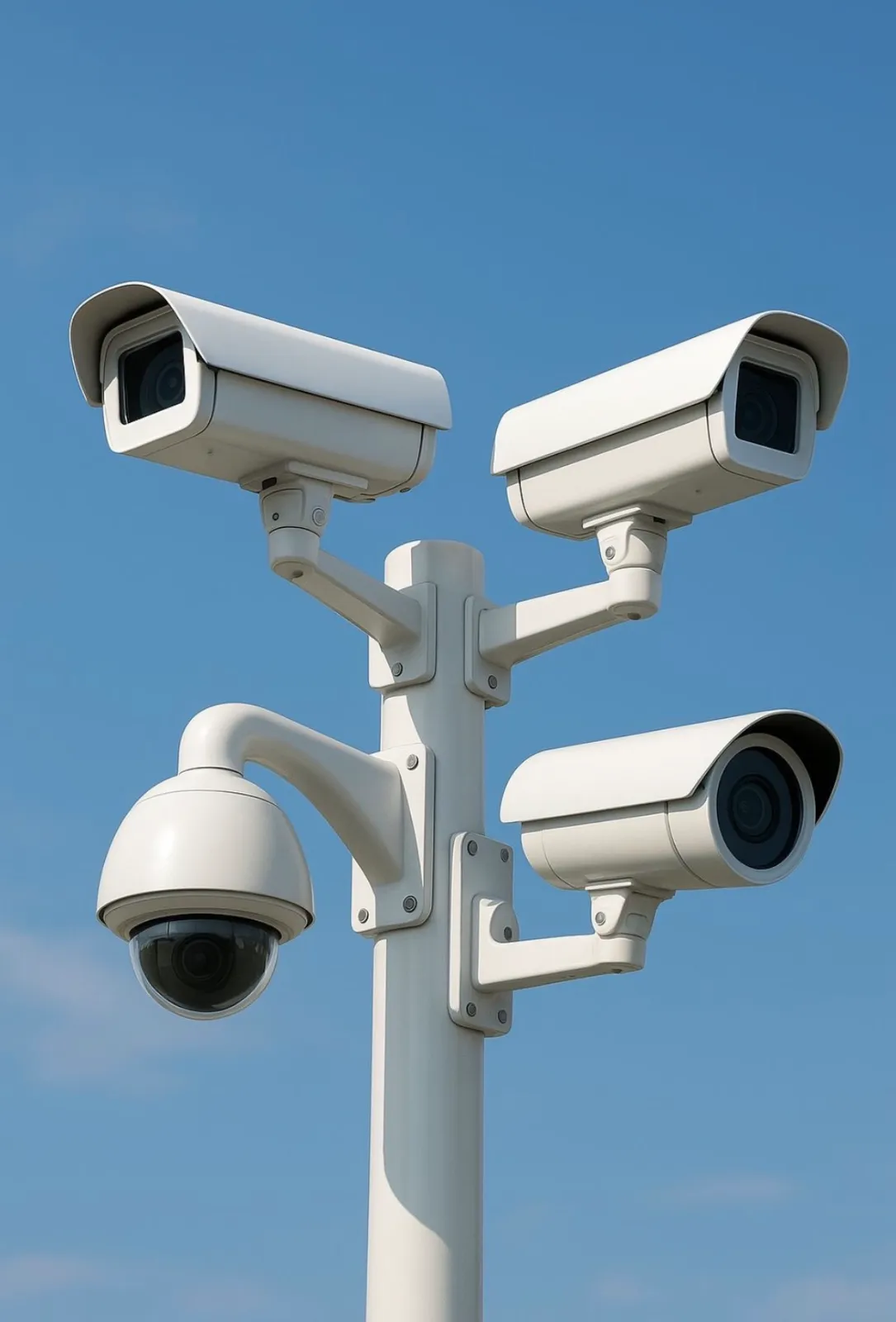
There is no single right number of cameras. The right number depends on your property, your risks and what you want to see. Plan coverage first, then count cameras.
Walk the property, day and night
List every entrance and exit, the perimeter, parking, storage, reception or cash points and any dark corners. Note where lighting is poor, because night footage depends on it.
Rank your priorities
Start with the places where a problem would hurt most, usually entrances, gates and valuable stock or equipment. Then extend coverage outward so you do not leave blind spots between cameras.
Think about field of view and height
A wide camera covers more area but shows less detail. Cameras at gates and doors usually need to capture faces or vehicle details, so they need a closer view. Mount cameras out of easy reach and protect them from weather.
Plan the recorder and storage
More cameras, higher resolution and longer retention all need more storage. Decide how many days of footage you want to keep and size the recorder and hard drive for it.
Power, cabling and remote viewing
Plan cable routes and a reliable power supply. If you want to view cameras on your phone, you will need a stable internet connection at the site.
Respect privacy
Avoid filming private areas such as toilets or a neighbour's property, and consider placing signs where cameras operate.
Need help with your cctv project?
Tell us about your premises and what you need. Phone consultations are free; site consultations are paid and priced by location.