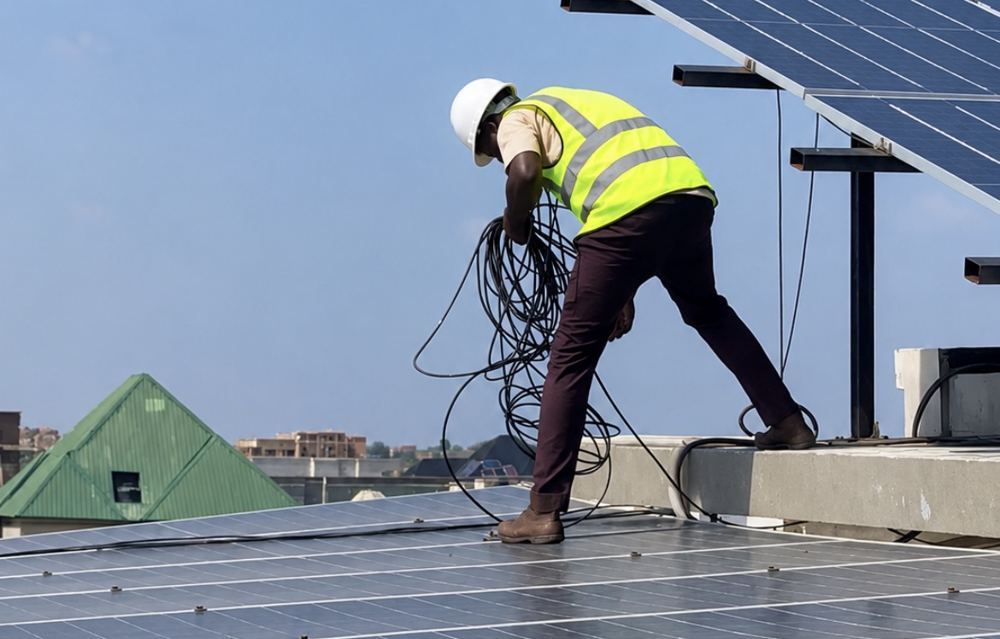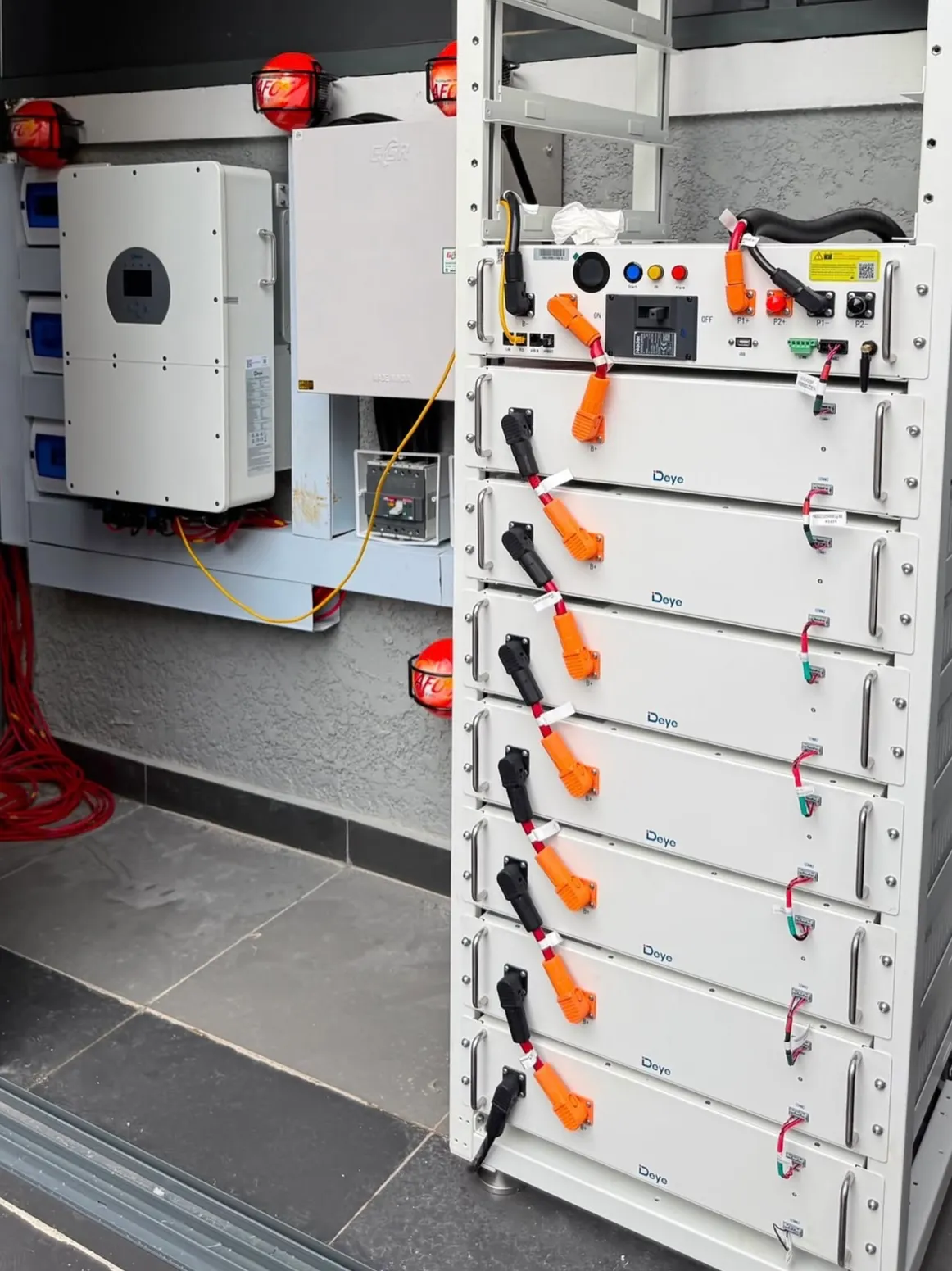
Most solar problems come from sizing mistakes, not bad equipment. A few minutes of preparation will help any installer design the right system for you.
Step 1: List what you want to power
Write down every appliance you want on solar: lights, fans, TVs, fridges, freezers, pumping machines, air conditioners and office equipment. Check each label for its power in watts and note how many hours it runs each day.
Step 2: Work out your daily energy use
Energy is watts multiplied by hours. A 100 W appliance running for 10 hours uses 1,000 Wh, or 1 kWh. Add up all your appliances to get a daily total. This number drives battery size and panel count.
Step 3: Find your peak load
Your inverter must handle everything that may run at the same time, plus the extra surge some motors draw when they start, such as air conditioners, pumps and freezers. An inverter that is too small will overload and trip, often at night.
Step 4: Decide how long you want backup
Battery capacity depends on how many hours you want to run without sunlight and which loads must stay on. Different battery types allow different usable capacity, so ask your installer for the usable figure, not just the label figure.
Step 5: Check panels, roof and shade
Panels must recharge the batteries and carry daytime loads. Roof space, shading and the sunshine available at your location all matter, which is why a site assessment is worth having.
Common mistakes
- Counting only the average load and ignoring starting surges.
- Choosing the inverter first and the battery later without checking they match.
- Adding appliances later without telling the installer.
- Buying on price alone, without a load assessment.
Need help with your solar project?
Tell us about your premises and what you need. Phone consultations are free; site consultations are paid and priced by location.